Kava vs. Alcohol: Why More People Are Making the Switch
Kava vs. alcohol, how they compare on effects, hangovers, health, and the social experience, and why so many people in Colorado Springs are switching.
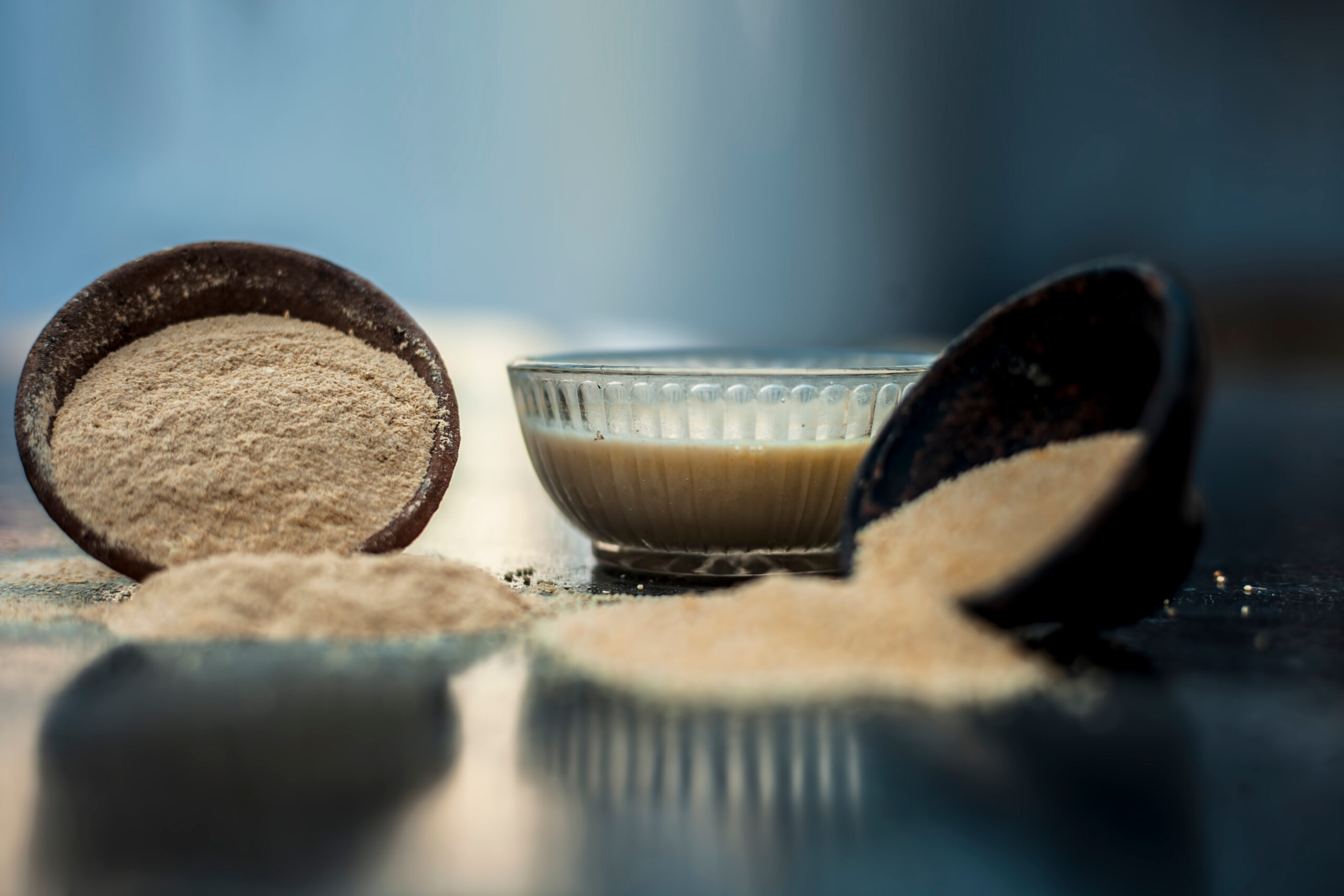
Kava and alcohol can both help you relax and feel social, but they work in completely different ways. Kava is a non-alcoholic drink made from the kava plant root that calms your body and eases social tension without intoxicating you, impairing your judgment, or leaving a hangover. Alcohol impairs coordination and memory, dehydrates you, disrupts sleep, and carries well-documented long-term health risks. That contrast is exactly why more people across Colorado Springs are reaching for kava instead, and why we built Kava Works.
If you have ever wanted the unwind-after-work, loosen-up-with-friends feeling of a drink without the downsides, here is an honest look at kava versus alcohol.
What is kava?
Kava comes from the root of a plant that Pacific Islanders have shared for more than 3,000 years. The root is ground, steeped in water, strained, and served, traditionally from a communal bowl. Its active compounds, called kavalactones, promote calm and ease tension while keeping you clear-headed. The result is often described as a clear-headed calm: your muscles relax, social anxiety softens, and conversation flows, but you stay lucid and in control. New to it? Start with our guide on what is kava.
What alcohol does
Alcohol is a depressant that your liver has to process. In the moment it lowers inhibitions and creates a buzz, but it does so by impairing your brain. Coordination, reaction time, judgment, and memory all degrade as you drink. It dehydrates you, disrupts deep and REM sleep, and the next day delivers the familiar hangover. Over time, regular drinking is linked to liver, heart, and other health risks. None of this is news. What has changed is that people now have a genuinely satisfying alternative.
Kava vs. alcohol, side by side
- The feeling: kava is calm, mellow, social, and clear-headed; alcohol is buzzed and increasingly impaired.
- Mental clarity: kava keeps it intact; alcohol erodes it as you drink.
- Coordination: kava is largely unimpaired when used responsibly on its own; alcohol impairs it.
- The morning after: kava leaves no typical hangover; alcohol commonly does.
- Hydration: kava is minimal; alcohol is significantly dehydrating, which hits harder at Colorado's altitude.
- Dependence: kava is not physically addictive like alcohol, and it has no dangerous withdrawal.
Does kava feel like being drunk?
Not exactly, and that is the point. Alcohol removes control; kava removes tension. You will not slur, black out, or lose your judgment on kava the way you can on alcohol. Instead you feel relaxed, talkative, and at ease, with a pleasant heaviness in the body and clarity in the mind. Many people describe it as the relaxation they were chasing with alcohol, without the impairment they were tolerating to get it.
Why people are switching from alcohol to kava
There are a few reasons we hear again and again at our Colorado Springs lounges:
- The hangover-free morning. This is the number one reason. You get the wind-down without paying for it tomorrow, a big deal in an active, outdoorsy place like Colorado.
- Health and wellness. The sober-curious movement is huge. People are cutting back for fitness, mental health, sleep, and longevity, and they want a social drink that fits that lifestyle.
- Staying in control. No impaired decisions, no regretted texts, no wondering how you got home. Kava keeps you yourself.
- Recovery and sobriety. For people who do not drink, by choice, recovery, pregnancy, medication, or faith, kava bars offer the bar experience and community without the alcohol.
- Real community. Kava is inherently social. Kava bars tend to be welcoming, conversation-forward spaces rather than rowdy, alcohol-fueled scenes.
- Altitude. At Colorado Springs over 6,000 feet, alcohol hits harder and dehydrates faster. Kava sidesteps that entirely. More on that in our guide to kava at altitude.
Using kava responsibly
Kava is not a free-for-all. To enjoy it safely: never mix kava with alcohol or other sedatives; start slow, especially your first time, and see how you feel before having more; do not drive if you have combined kava with anything else or feel notably relaxed; and talk to your doctor if you have liver concerns or take medications. Treat it as an adult beverage, 18 and older, to be enjoyed mindfully. For the full picture, read whether kava is safe.
So, is kava better than alcohol?
Better depends on what you want. If you want oblivion, kava is not that, and that is a feature. But if what you actually want is to relax, be social, take the edge off, and enjoy the evening, then wake up clear, hydrated, and ready for the day, kava delivers all of that without alcohol's costs. For a growing number of people, that is not just better; it is a no-brainer.
Try kava for yourself at Kava Works
The best way to understand the difference is to taste it. At Kava Works in Colorado Springs, our kavatenders will help you find your first pour, a smooth Fiji Blend, a fast-acting extract, or a bright kava soda, and you can feel the clear-headed calm yourself. Visit our North lounge on Academy Boulevard or our Downtown lounge on Pikes Peak Avenue, open seven days a week with nightly happy hour. New to kava? Tell your kavatender, we love a first-timer, and see the full menu before you go.